Practical Steps for Creating an Event Calendar
Creating an event calendar is a crucial aspect of organizing successful cultural gatherings and community events. This article outlines practical steps to help you create an effective event calendar that serves the needs of your audience.
Understanding the Basics
An event calendar is a centralized platform where community members can find information about upcoming events. According to research, well-organized calendars can increase attendance by up to 30% in various contexts. This increase is often attributed to enhanced visibility and ease of access. To create an effective calendar, begin by understanding your target audience and what types of events they are interested in.
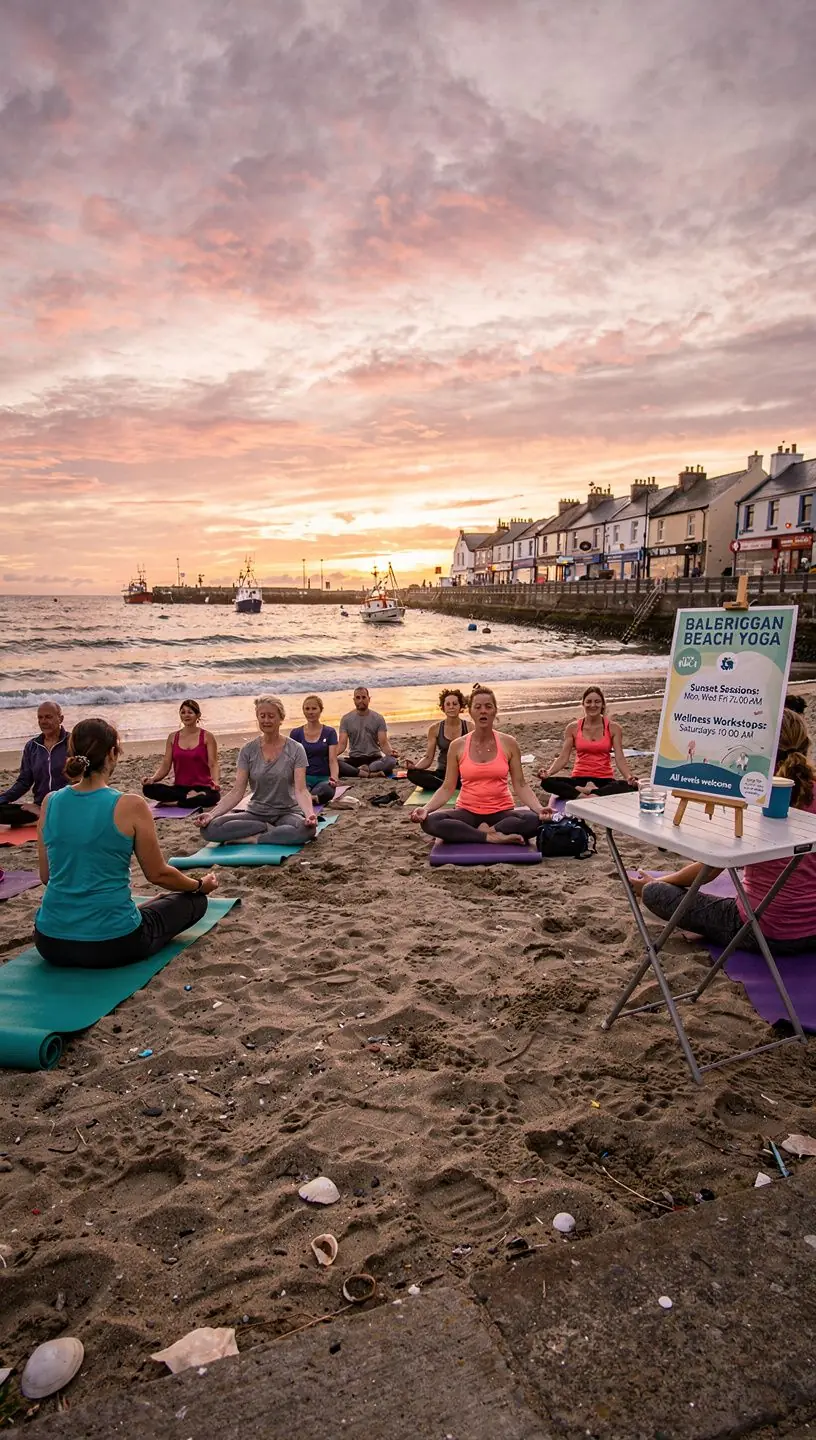
"A well-maintained event calendar can significantly enhance community engagement and participation."
Practical Application
To successfully create an event calendar, follow these steps:
- Identify Your Goals: Determine what you want to achieve with your event calendar. Is it to increase community participation, promote local culture, or provide a platform for social gatherings? Knowing your goals will guide your content choices.
- Gather Event Information: Collect details about upcoming events, including dates, times, locations, and descriptions. This process typically involves communication with event organizers and community members. Experts recommend setting a clear deadline for submission to maintain organization.
- Choose a Platform: Select a suitable platform to host your calendar. Many communities opt for user-friendly content management systems or dedicated event calendar software. When making your choice, consider factors such as accessibility, ease of use, and mobile compatibility.
- Design for Clarity: Create a visually appealing and easy-to-navigate layout. Research shows that users prefer calendars that are organized by date and event type, making it easier to find relevant information. Utilize color coding and icons where possible to enhance visual appeal.
- Promote Your Calendar: After creating your event calendar, actively promote it through social media, newsletters, and community boards. Engaging local influencers can also help to broaden your reach. Studies show that effective promotion can lead to a 20% increase in event attendance.
- Gather Feedback: After events occur, solicit feedback from participants to understand what worked well and what could be improved. This iterative process is crucial for refining your calendar over time.
Conclusion
Creating an event calendar involves a series of steps that require careful planning, dedication, and community involvement. Results typically improve over time as you refine your approach based on feedback and engagement metrics. With these practical steps, you will be better equipped to create a calendar that not only informs but also engages your community effectively.