Understanding Different Types of Community Gatherings
Community gatherings play a vital role in fostering social connections, cultural exchange, and personal development. In this article, we will explore various types of community gatherings, their significance, and practical insights on how to engage effectively. Understanding these events can help individuals choose the right gatherings to attend or organize.
The Importance of Community Gatherings
According to research conducted by the National Endowment for the Arts, community gatherings can enhance social cohesion and cultural participation. These events often provide a platform for individuals to express themselves, share experiences, and collaborate with others. In most cases, participating in community activities can lead to improved mental well-being and a stronger sense of belonging.

"Community gatherings are essential for creating a sense of belonging and fostering vibrant interactions among residents." - Community Development Expert
Types of Community Gatherings
Community gatherings can generally be categorized into several types, each serving different purposes:
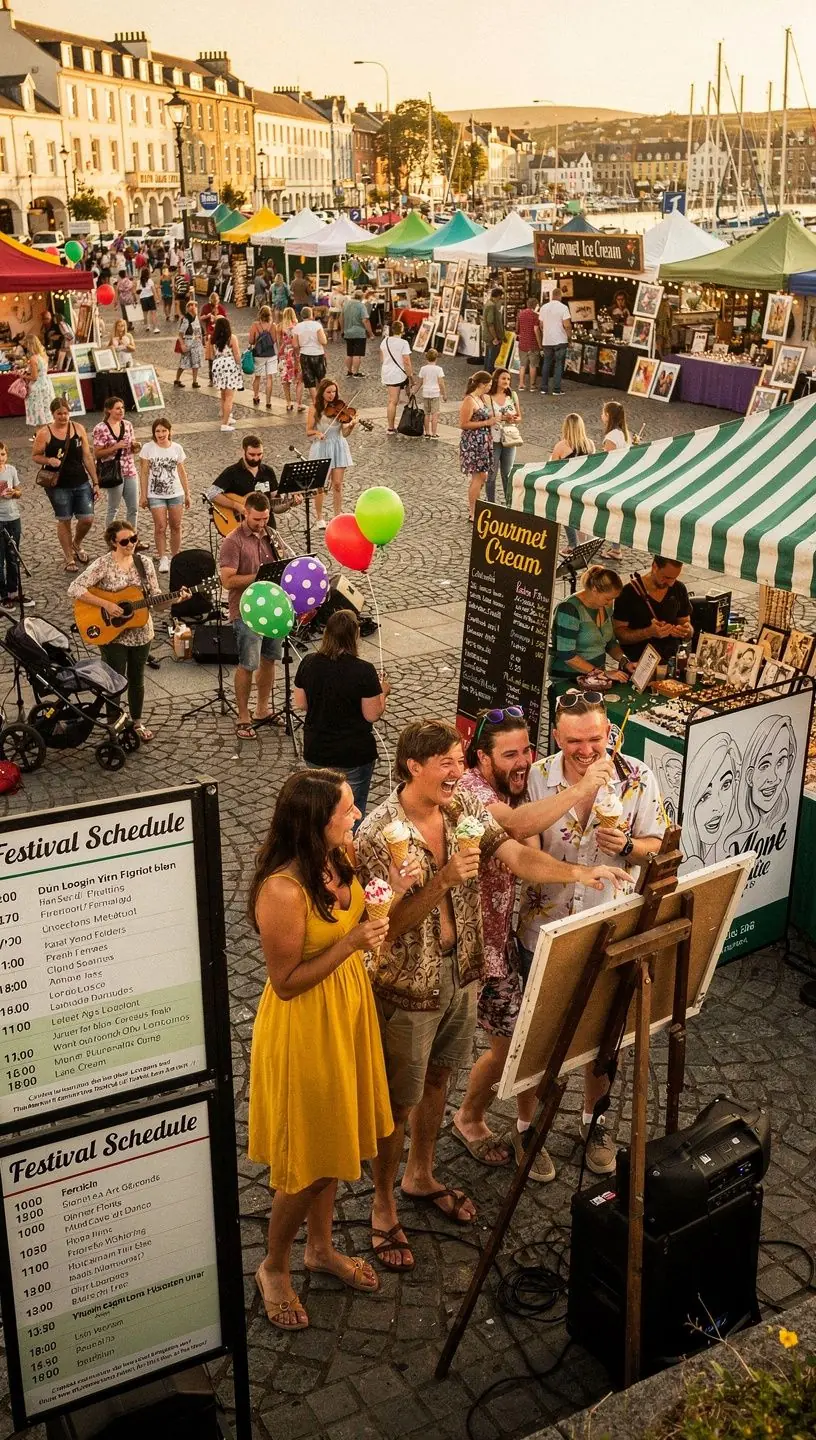
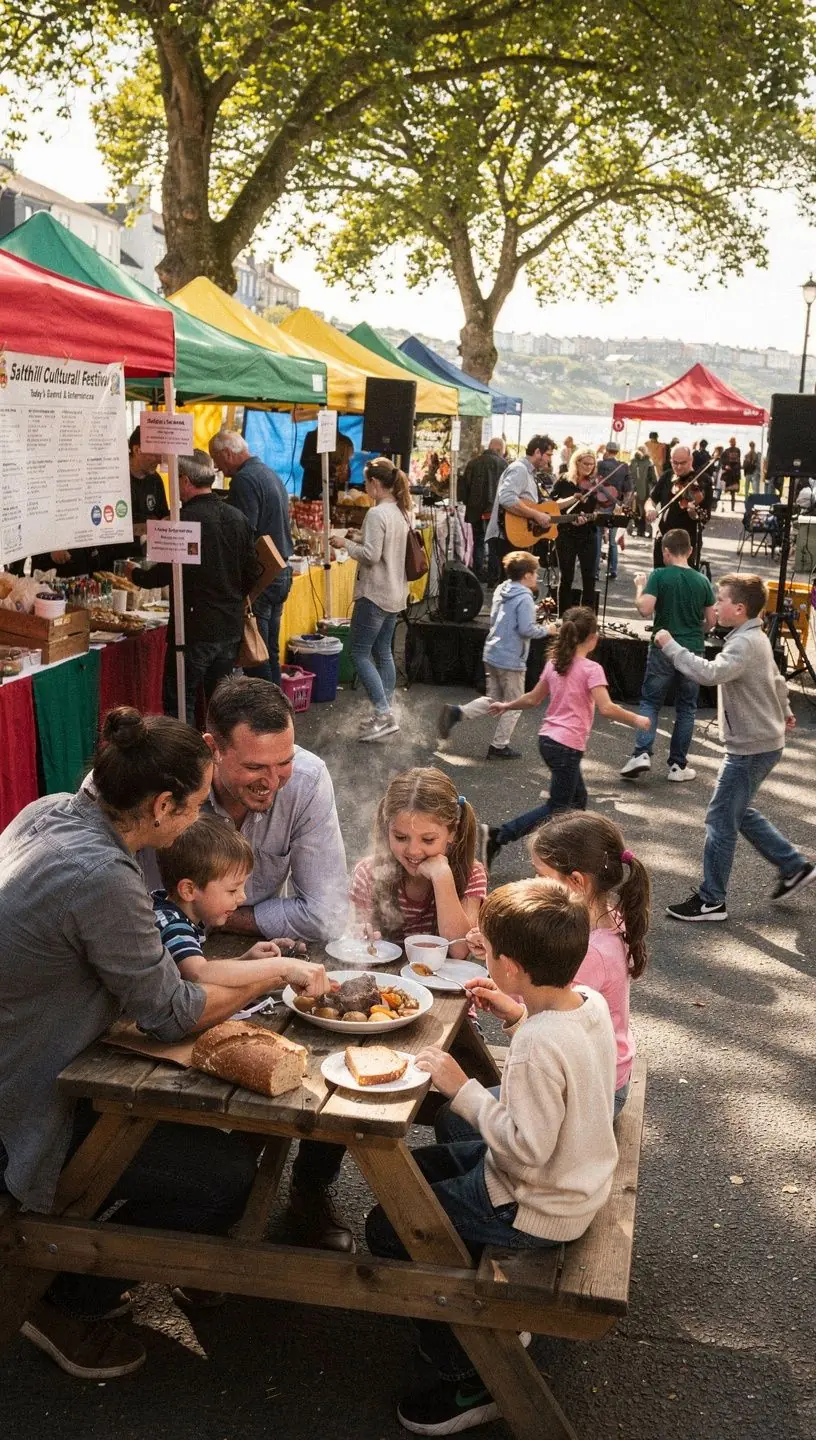
- Cultural Events: These include festivals, art exhibitions, and performances that celebrate local traditions and heritage. Studies show that these events often attract diverse audiences and can significantly enhance community pride.
- Social Gatherings: Events such as meet-ups, picnics, or themed nights encourage social interaction. Many users report that engaging in these gatherings helps them establish new friendships and strengthen existing relationships.
- Workshops and Classes: Organizing educational workshops or skill-building classes can empower community members and promote lifelong learning. Experts recommend tailoring these events to meet local interests and needs.
- Support Groups: These gatherings provide a safe space for individuals to share experiences and support one another, which can be vital for personal growth and healing.
- Volunteer Initiatives: Community service projects gather residents for a common cause, fostering teamwork and a sense of accomplishment. Engaging in volunteer work typically leads to increased community ties and personal fulfillment.
How to Organize Effective Gatherings
When planning a community gathering, it’s essential to consider several factors to ensure its success:
- Identify the Purpose: Clearly define the goal of the gathering. This could range from cultural celebration to educational workshops, which helps tailor the event effectively.
- Engage the Community: Involve community members in the planning process. This not only increases attendance but also ensures the event meets the interests and needs of the participants.
- Promote Inclusivity: Ensure that events are accessible and welcoming to all members of the community, considering factors such as location, timing, and communication methods.
- Gather Feedback: After the event, seek feedback to understand participants' experiences and gather insights for future gatherings. This typically involves surveys or informal discussions.
Conclusion
In summary, community gatherings serve an essential role in promoting social connections, cultural awareness, and personal growth. By understanding the different types of gatherings and how to effectively organize them, individuals can create enriching experiences that benefit the entire community. Remember, the success of these gatherings often lies in community involvement and thoughtful planning, ensuring that every voice is heard and valued.