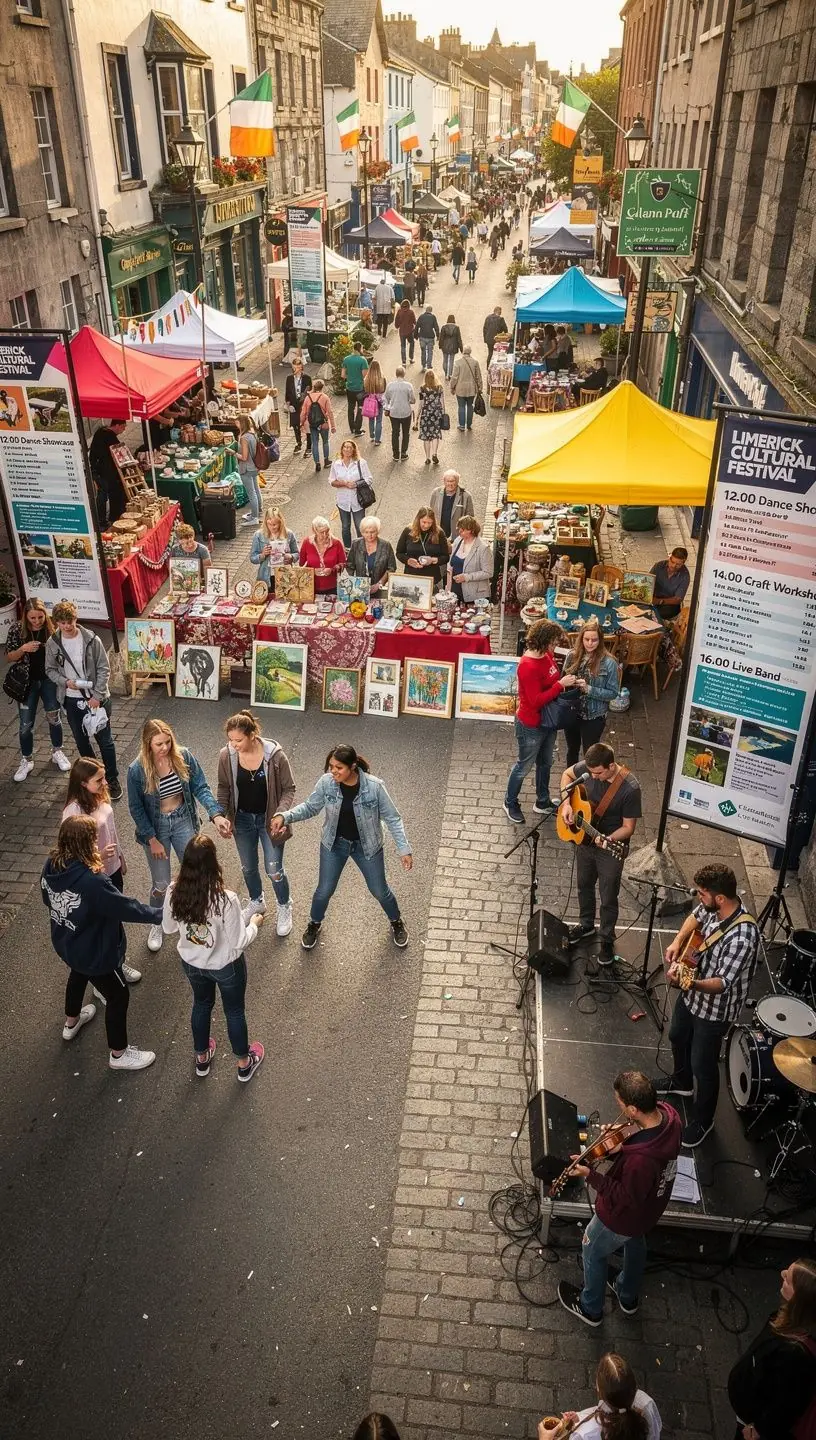
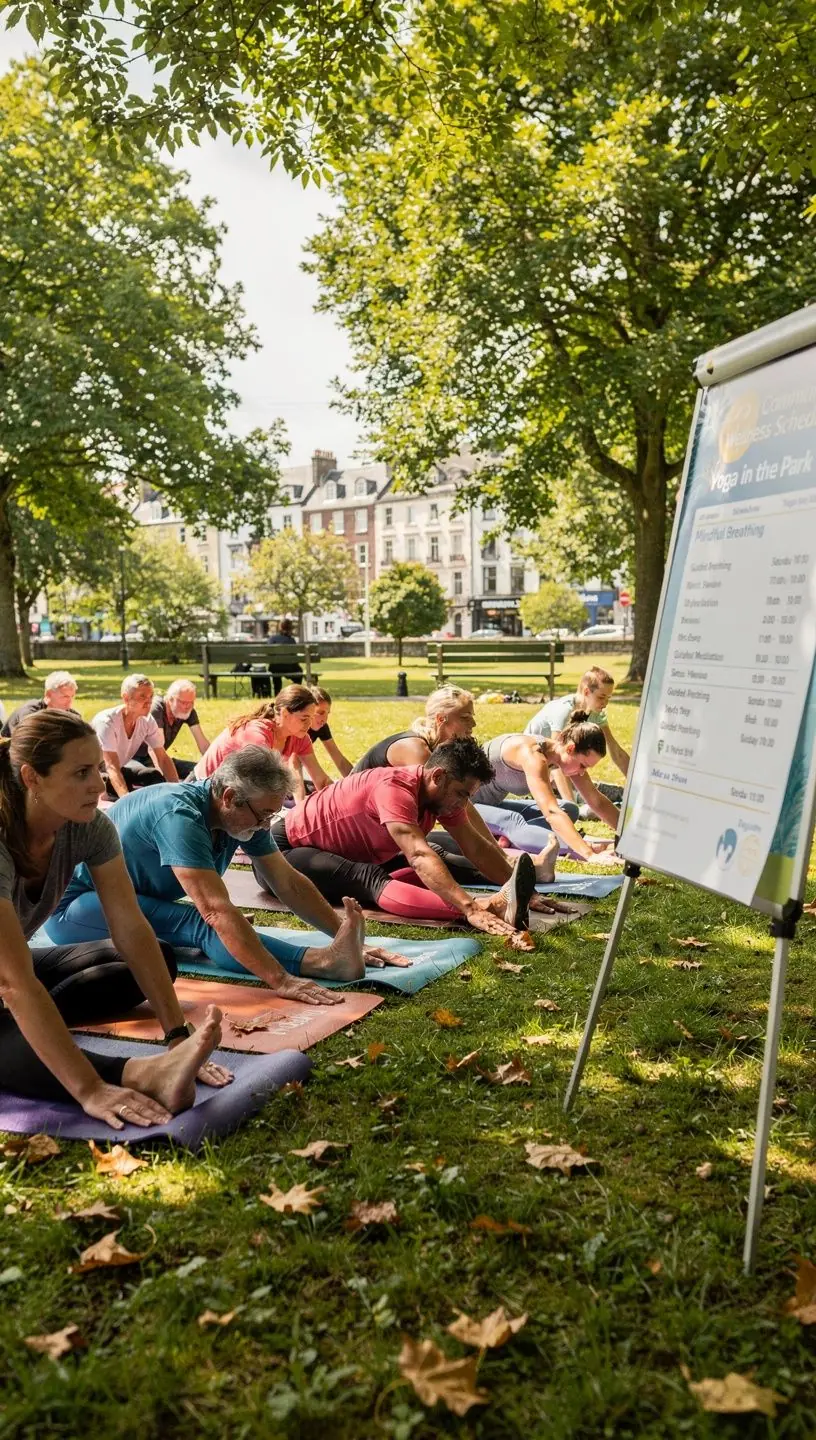
Understanding the Role of Volunteers in Event Management
Volunteers play a crucial role in the success of city events, from organizing cultural gatherings to managing music evenings and social game clubs. Understanding their impact can help event organizers optimize their efforts and enhance participant experiences.
Understanding the Basics
Volunteers are often the backbone of event management, providing essential support that can significantly influence an event's outcome. According to the National Council for Voluntary Organisations, volunteers contribute over 100 million hours of unpaid work in various sectors annually in Ireland. This involvement often leads to enhanced community engagement and greater event success.
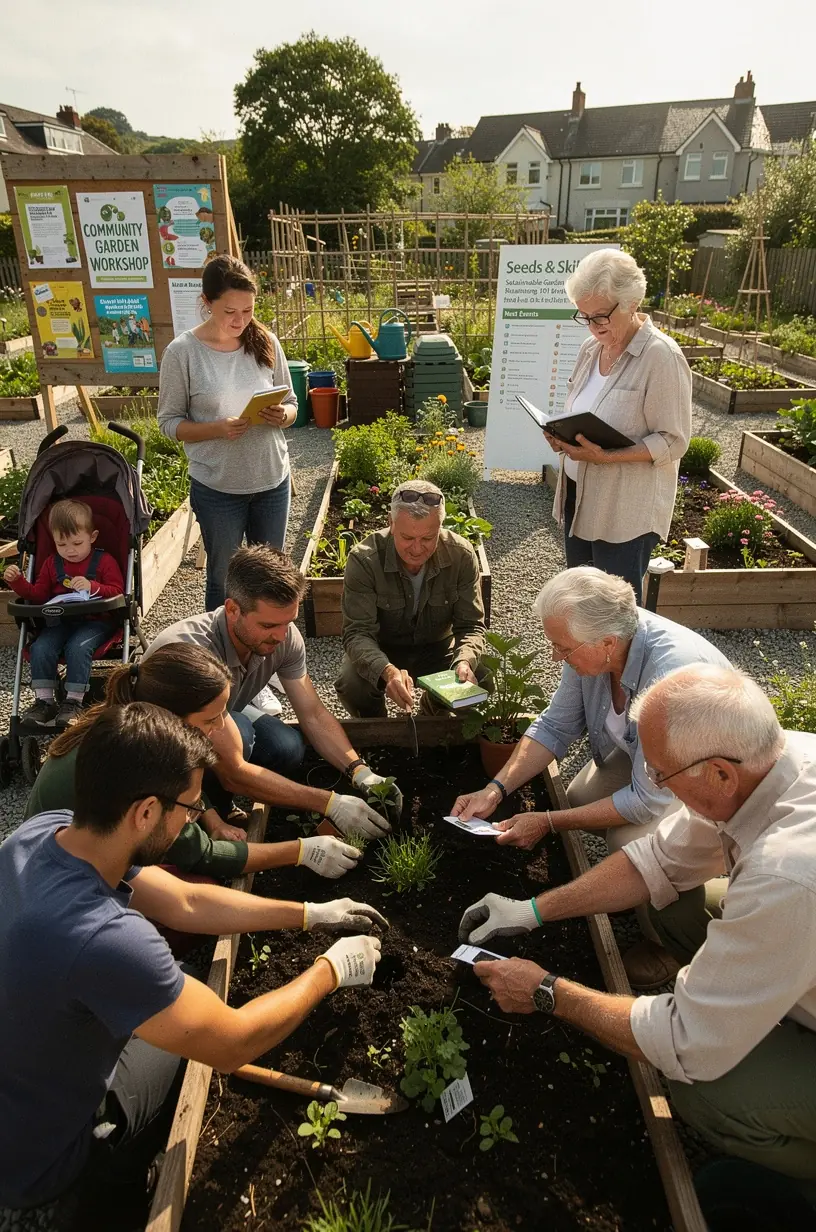
"Volunteering not only helps organizations execute events effectively but also fosters a sense of community and belonging among participants." - Community Engagement Expert
The Benefits of Volunteer Involvement
Engaging volunteers in event management can provide several benefits:
- Cost-Effectiveness: Utilizing volunteers reduces operational costs, allowing funds to be allocated elsewhere, such as marketing or logistics.
- Diverse Skill Sets: Volunteers often bring various skills and experiences, which can enhance the planning and execution of events.
- Community Connection: Local volunteers tend to connect more deeply with attendees, fostering an atmosphere of warmth and hospitality.
How to Effectively Manage Volunteers
While the benefits of involving volunteers are clear, effective management is key to leveraging their potential:
- Clear Communication: Clearly outline roles and responsibilities for volunteers. Research shows that effective communication can improve volunteer satisfaction and retention rates.
- Training and Support: Providing adequate training can significantly enhance a volunteer’s ability to contribute. Programs typically require 1-2 weeks of preparation, depending on the event's complexity.
- Recognition and Appreciation: Acknowledging a volunteer’s contributions fosters a positive environment. Studies indicate that recognition increases volunteer retention and engagement.
Challenges and Considerations
It's important to acknowledge that not all volunteer involvement is seamless. Here are some common challenges:
- Time Commitment: Volunteers may have limited availability, which can impact their effectiveness. Planning typically requires a significant time commitment, and expectations should be managed accordingly.
- Training Needs: Some volunteers might lack the necessary skills or experience, which can lead to inefficiencies. This situation necessitates a dedicated effort to train and guide them.
- Coordination Efforts: Organizing a volunteer workforce demands careful planning and coordination, which may require substantial resources.
Conclusion
In summary, volunteers are a vital component of successful event management, particularly in a community-focused setting like ours in Ireland. By effectively managing volunteers and acknowledging their contributions, event organizers can enhance the overall experience for attendees and create memorable cultural gatherings. While challenges exist, the potential benefits of involving volunteers often outweigh the drawbacks when approached thoughtfully.