Exploring Cultural Diversity Through City Gatherings
Cultural gatherings in cities often serve as a vibrant tapestry of traditions, languages, and experiences. Understanding the importance of these events can shed light on the benefits they bring to communities.
Understanding the Importance of Cultural Diversity
According to research from the European Commission, cities that embrace cultural diversity tend to foster stronger social cohesion and community resilience. By participating in cultural gatherings, individuals often gain insights into different ways of life, which can help break down stereotypes and promote inclusion.
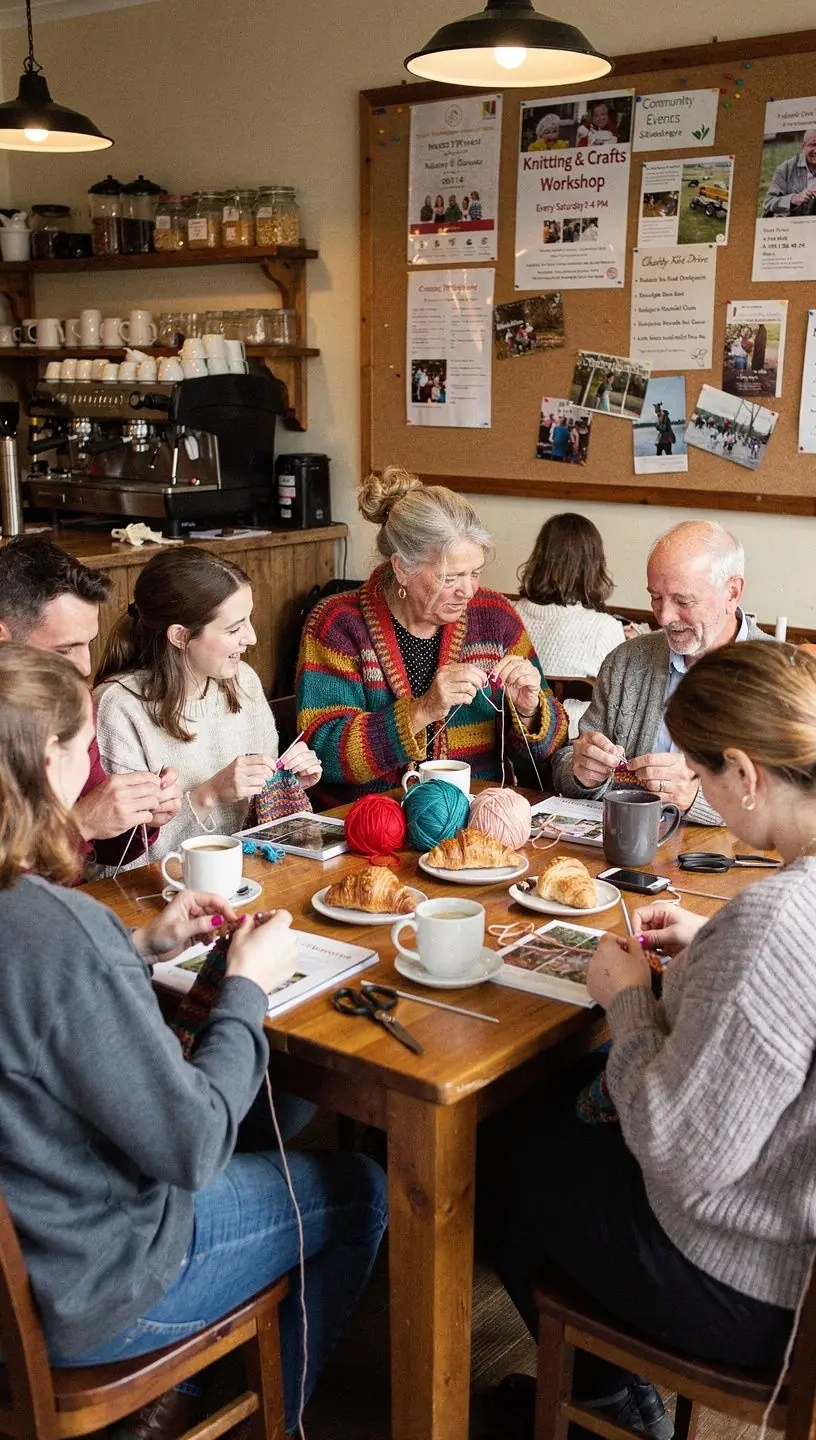
"Cultural engagement not only enriches personal experiences but also strengthens community bonds."
Benefits of Participating in City Gatherings
There are several reasons why participating in city gatherings can be beneficial:
- Enhanced Social Connections: Many users report that attending cultural events allows them to meet new people and build friendships. These interactions can lead to a more connected community.
- Diverse Perspectives: Engaging with different cultures can provide new viewpoints and ideas. This exposure is essential in fostering a well-rounded understanding of societal issues.
- Skill Development: Participating in activities, such as music evenings or social game clubs, often involves learning new skills. Experts recommend these experiences can improve creativity and problem-solving abilities.
How Cultural Gatherings Operate
Cultural gatherings typically involve various activities designed to showcase different traditions, such as:
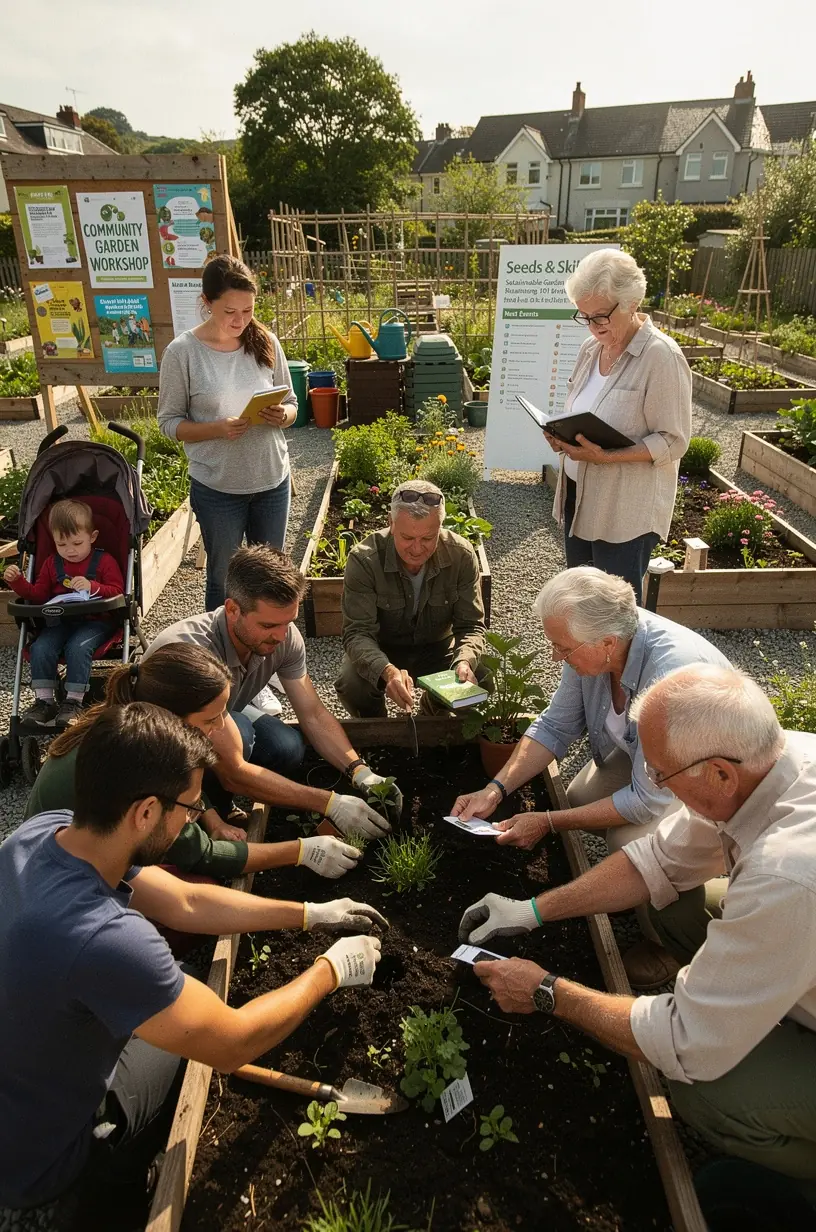
- Workshops: Hands-on experiences that allow participants to learn about crafts, cooking, or dance, often led by community experts.
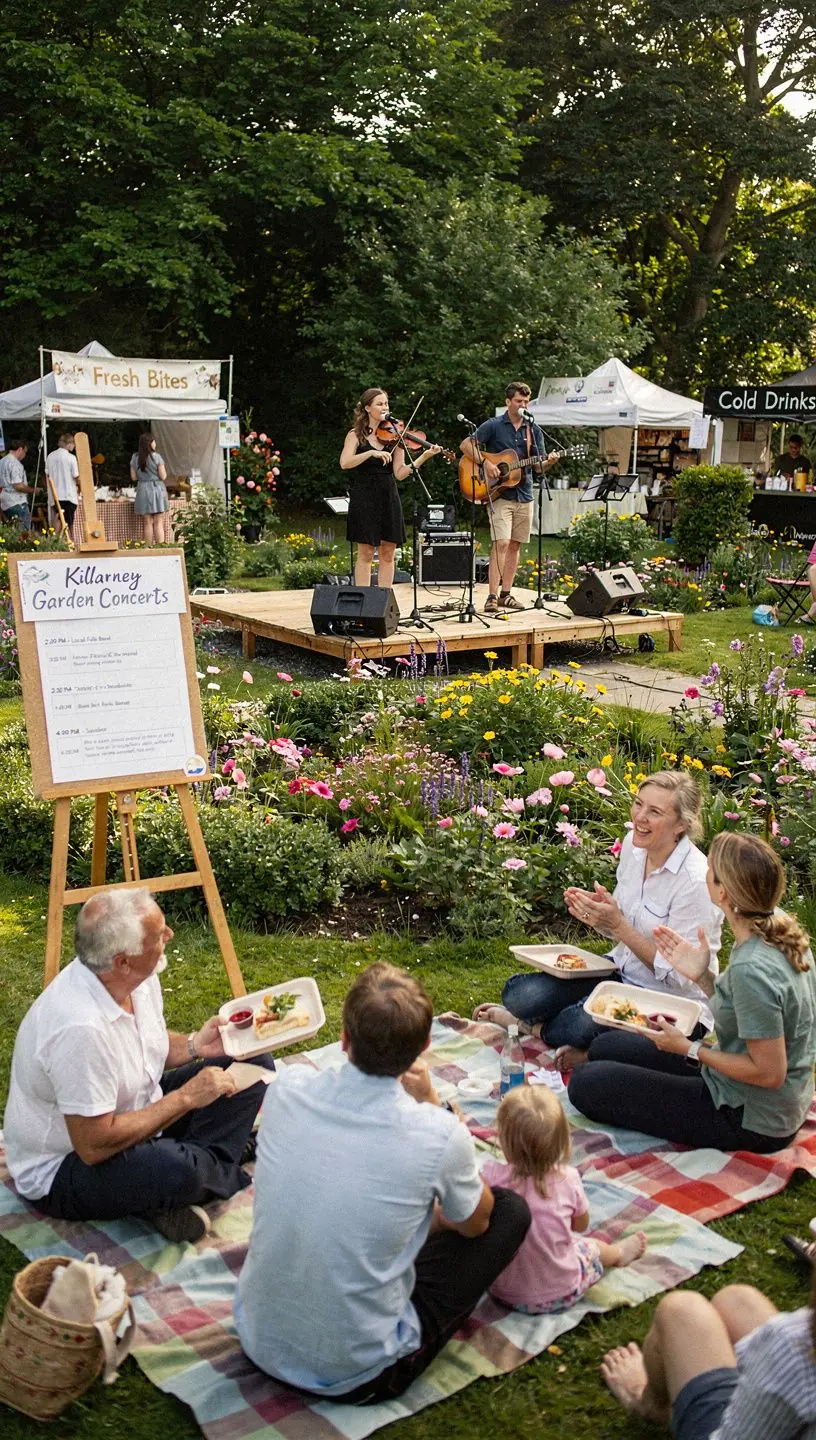
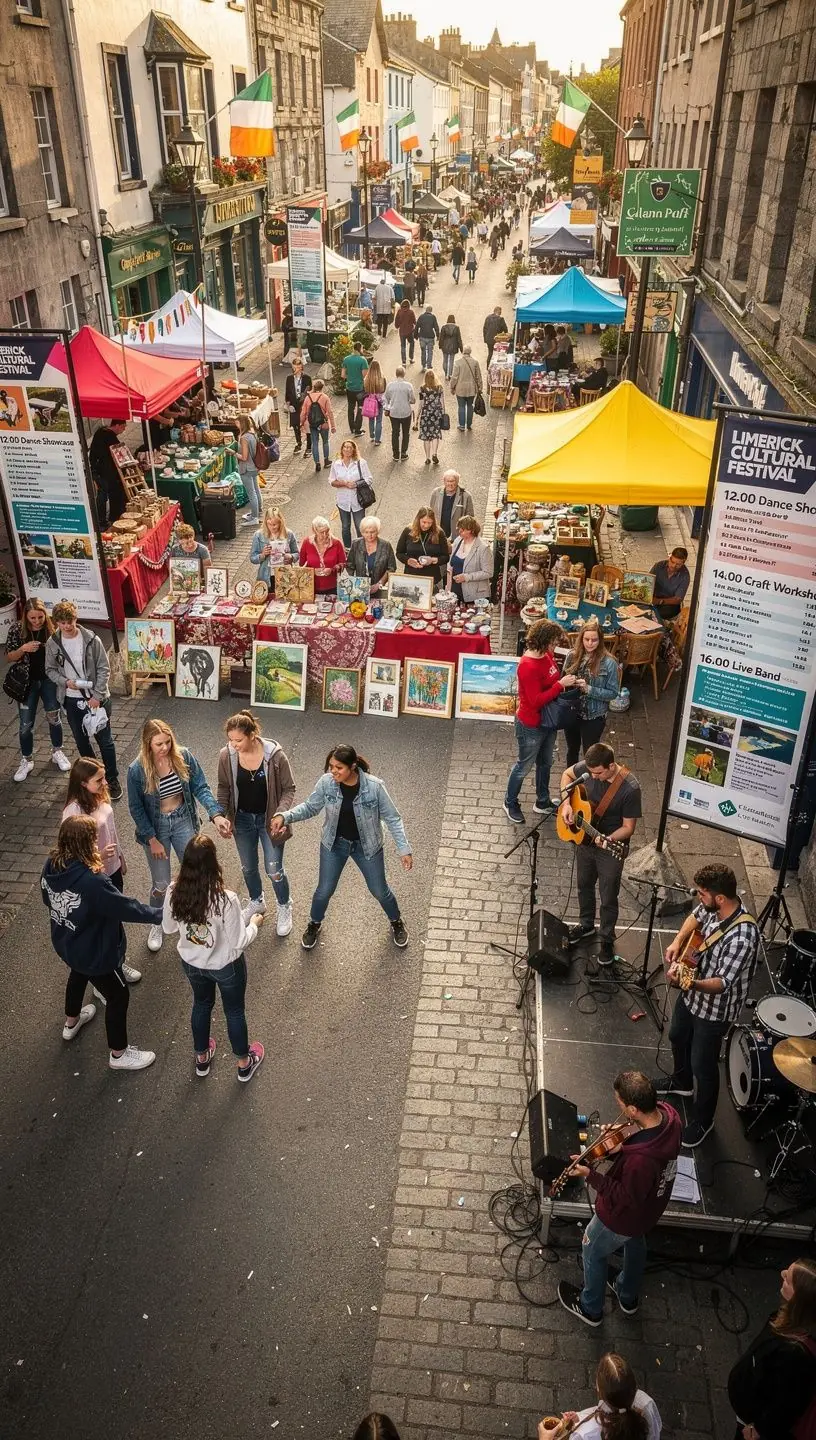
- Performances: Music, dance, and art performances that celebrate specific cultures, providing entertainment while educating audiences about their significance.
- Food Festivals: These events showcase cultural cuisines, giving attendees a taste of different cultures while encouraging community participation.
The principle behind these gatherings is to create an environment where cultural sharing can occur organically, which studies show often leads to increased empathy and understanding among participants.
Challenges and Considerations
While cultural gatherings can be enriching, they may also present challenges. For instance:
- Time Commitment: Engaging in these events typically requires a commitment of time and effort. Planning and preparing for participation can take several weeks.
- Accessibility Issues: Not all events are designed to be inclusive. Organizers should consider accessibility to ensure that everyone can participate.
- Potential for Culture Shock: Participants may experience culture shock when exposed to new customs or traditions, which can be overwhelming for some.
Recognizing these challenges can help organizers and participants prepare better and enhance the overall experience of cultural gatherings.
Conclusion
Cultural gatherings offer a unique opportunity to explore and appreciate the diversity within our communities. By actively participating in these events, individuals can foster social connections, enhance their understanding of different cultures, and contribute to a more cohesive society. While challenges exist, the potential to grow and learn from these experiences is invaluable.
Learn More