How to Organize a Cultural Gathering Effectively
Organizing a cultural gathering can be a rewarding experience that fosters community connections and celebrates diversity. However, it requires careful planning and execution to ensure success. This article provides practical insights and actionable steps to help you organize a cultural gathering effectively.
Understanding the Basics
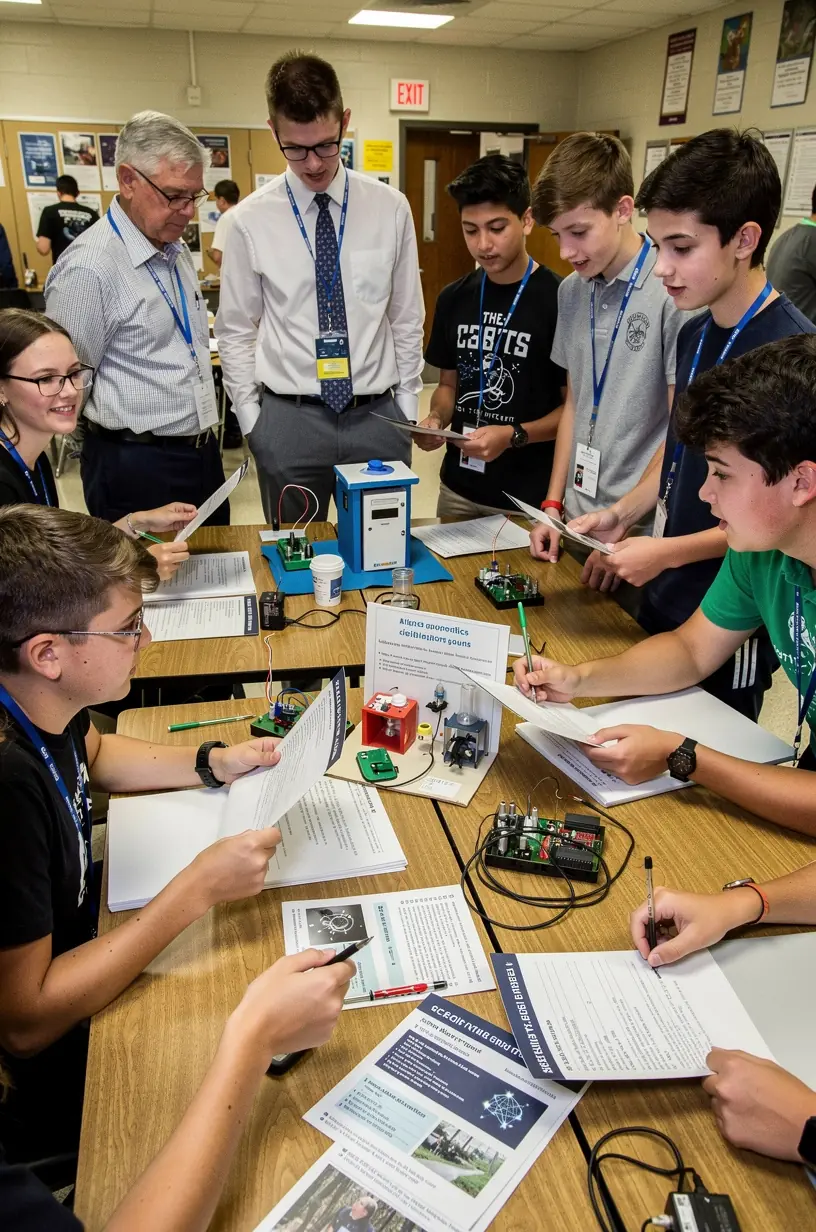
To begin with, it is essential to clarify your objectives for the gathering. According to industry experts, defining the purpose—whether it’s to celebrate a cultural tradition, promote local artists, or strengthen community ties—can significantly shape the planning process. This works because a clear goal helps guide decisions about the venue, activities, and target audience.
"A well-defined purpose is crucial for a successful cultural event as it helps align the vision and resources effectively."
Planning the Event
Developing an effective plan typically involves several key steps:
- Assemble a Team: Gather a group of volunteers or community members who share your vision. Studies show that collaborative planning often leads to more innovative ideas and shared responsibilities, which can ease the workload.
- Select a Venue: Choose a location suitable for the expected number of attendees. Experts recommend venues that are accessible and equipped with necessary facilities, such as restrooms and seating. This decision can impact turnout and overall experience.
- Set a Date: Schedule the event at a time that doesn’t conflict with other local activities. Research indicates that events held on weekends or during holiday seasons tend to attract more participants.
Engaging Activities and Promotion
Once the logistics are in place, focus on the activities that will engage participants. Many successful events incorporate:
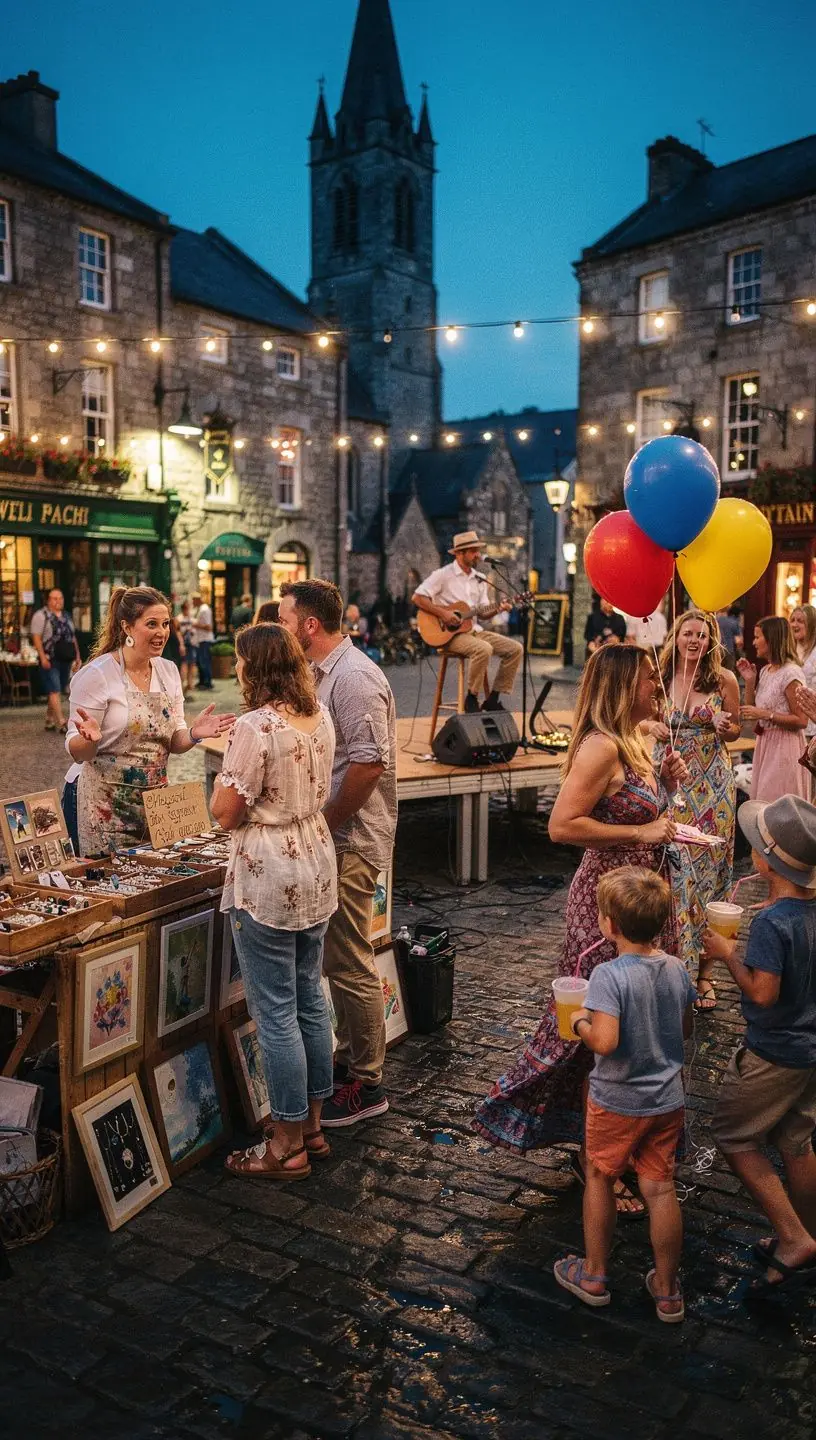
- Cultural Performances: Inviting local artists or musicians can enhance the gathering’s atmosphere and draw larger crowds.
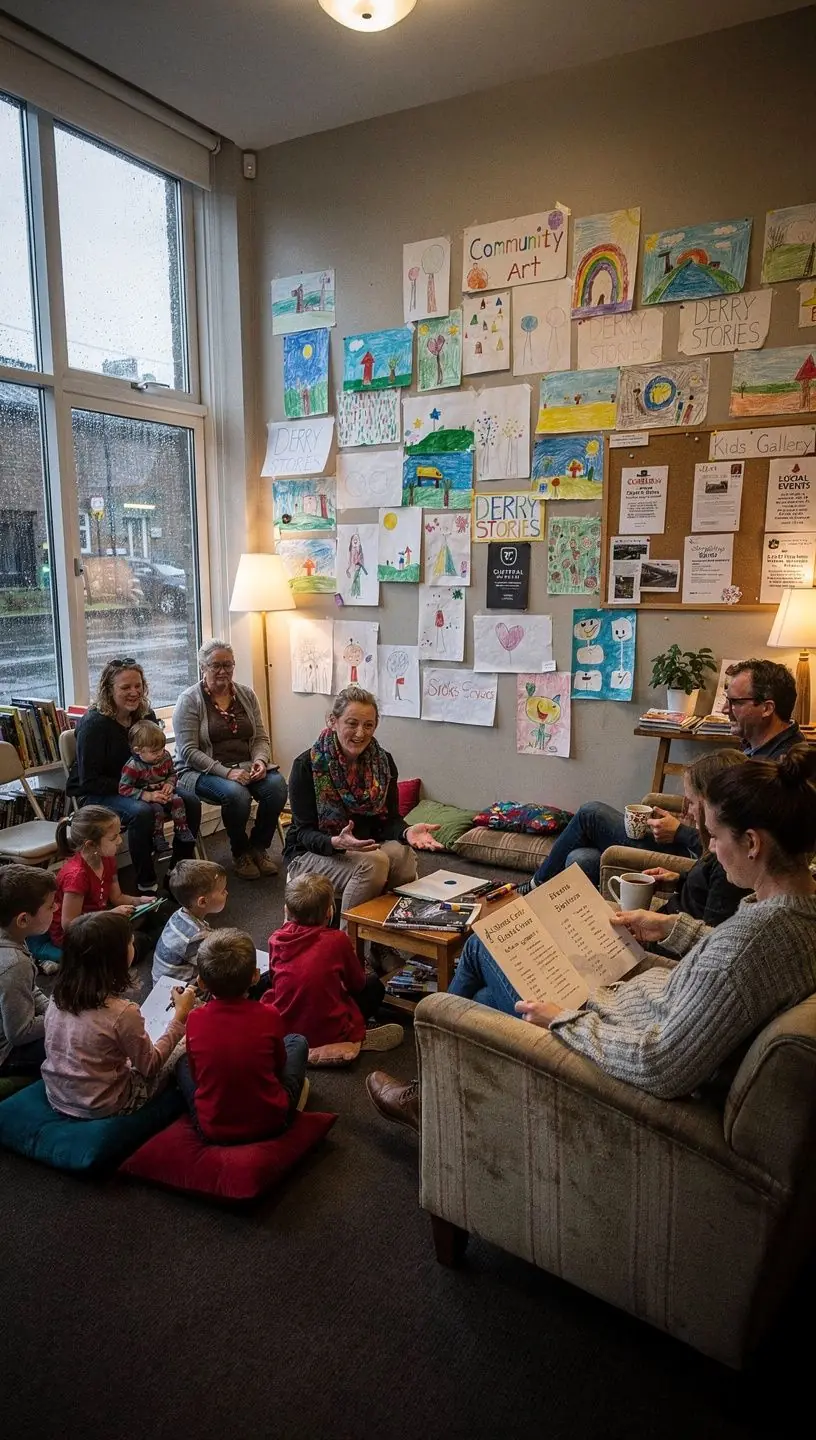
- Workshops: Interactive sessions allow attendees to learn something new, which can increase engagement and satisfaction.
- Food and Drink: Offering traditional or local food options can provide a sensory experience that reflects the cultural theme.
Promotion is another critical component. Social media platforms and community boards are effective tools for reaching potential attendees. Research suggests that events promoted through multiple channels often see higher attendance rates.
Logistical Considerations
Effective organization also requires attention to various logistical details. It’s important to:
- Budget Wisely: Create a budget that covers all aspects of the event, including venue rental, permits, and marketing costs. This typically requires a few weeks of planning.
- Obtain Necessary Permits: Research local regulations to ensure compliance with any requirements, as this can save time and avoid issues closer to the event date.
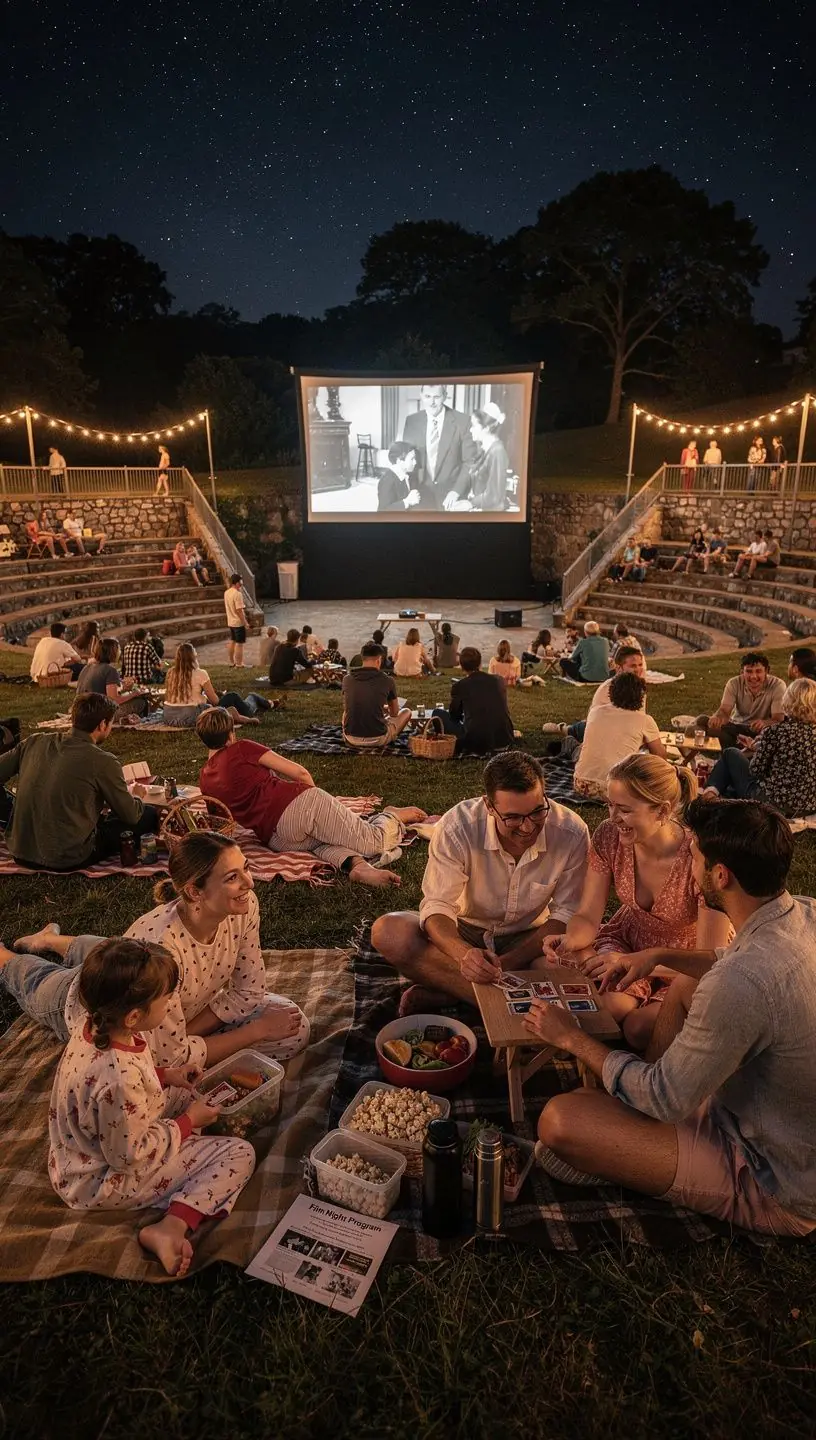
- Prepare for Contingencies: Having backup plans for bad weather or low attendance is crucial. Experts recommend having alternative activities or venues in mind.
Conclusion
In conclusion, organizing a cultural gathering effectively involves clear objectives, detailed planning, and thoughtful execution. While challenges may arise, taking a structured approach can help you create a memorable experience for attendees. Remember, successful events often rely on the efforts of a dedicated team and the support of the community. Start planning today, and you might be surprised at how rewarding the process can be!