Exploring the Benefits of Printed Event Schedules
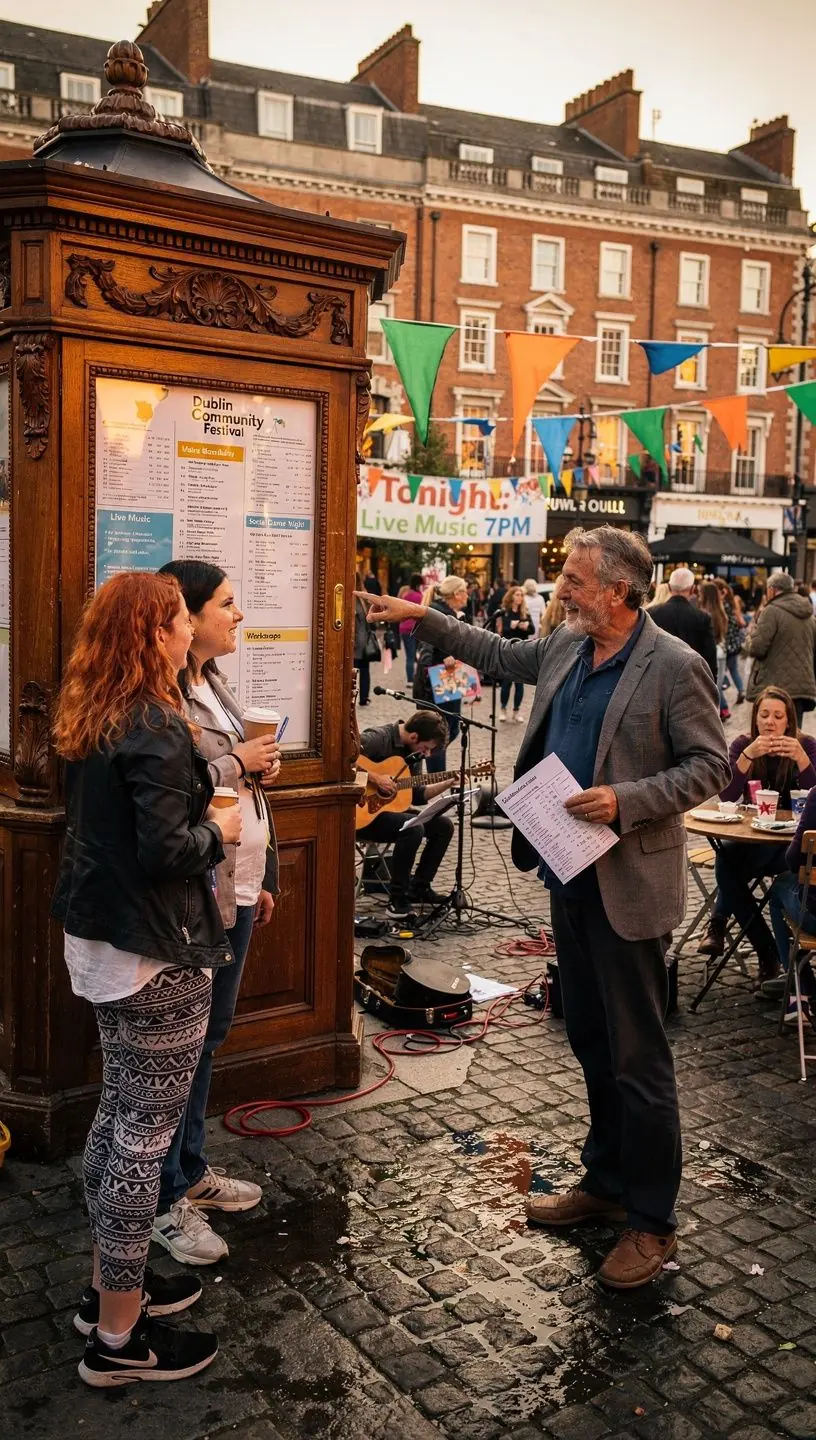
Printed event schedules offer a tangible and effective way to enhance community engagement and participation in cultural events. This article explores the various benefits of using printed schedules, particularly in the context of city gatherings in Ireland.
Understanding the Importance of Printed Schedules
Printed event schedules provide clear information about upcoming activities, locations, and timings. According to research conducted by the Community Engagement Institute, many participants find that having a physical schedule helps them plan their attendance better, as it allows for quick reference without needing digital devices. This can be particularly useful in environments where people may not have immediate access to technology.

"Having a printed schedule often reduces the stress of keeping track of event timings, allowing participants to enjoy the experience more fully." - Community Engagement Expert
Advantages of Using Printed Event Schedules
- Accessibility: Printed materials can be distributed in locations where digital access might be limited. Experts suggest that this approach can increase awareness of events by reaching a broader audience.
- Tangible Reference: Physical schedules serve as a constant reminder of upcoming activities, helping to create a culture of participation in local events. Many users report that they prefer having something they can physically hold and refer back to.
- Design and Aesthetics: Well-designed printed schedules can reflect the cultural richness of the events they represent. This not only enhances visibility but also engages the community aesthetically, motivating participation.
How to Implement Effective Printed Schedules
Creating an effective printed schedule involves strategic planning and consideration of several factors:
- Identify Key Information: Specify the events, their timings, and locations. Clarity is essential, and using icons or images can enhance comprehension.
- Distribution Strategy: Consider where and how the schedules will be distributed. Research indicates that placing them in community centers, local cafes, and libraries often yields the best results.
- Feedback Loop: After the events, gather feedback on the printed schedules. Understanding what worked and what didn’t can help improve future editions and ensure they meet community needs.
Potential Limitations
While printed schedules offer many benefits, there are some limitations to consider:
- Cost and Resources: Printing schedules involves costs, and the quality of materials used can affect their durability and visual appeal.
- Environmental Impact: The production and disposal of printed materials can have an environmental footprint, making it essential to consider sustainable practices.
- Speed of Updates: Printed materials cannot be updated as quickly as digital formats, which may lead to outdated information if events are changed last minute.
Conclusion
In conclusion, while digital platforms continue to play a significant role in event promotion, printed schedules provide an effective alternative that can enhance community engagement in Ireland. By understanding their benefits, recognizing potential limitations, and implementing best practices in their design and distribution, organizers can create a tangible connection between the community and its cultural events. Ultimately, printed schedules may not replace digital solutions, but they can significantly complement them, enriching local experiences.