Understanding the Impact of Music on Community Engagement
Music has long been a vital aspect of community life, influencing social interactions and fostering a sense of belonging. This article explores the multifaceted role that music plays in enhancing community engagement, backed by research and expert insights.
The Role of Music in Community Life
According to studies, music can serve as a powerful tool for building connections among community members. This effectiveness stems from music's ability to evoke emotions, create shared experiences, and facilitate social bonding. Experts suggest that communal music events, such as festivals and concerts, often lead to increased participation in community activities, creating a ripple effect of engagement.
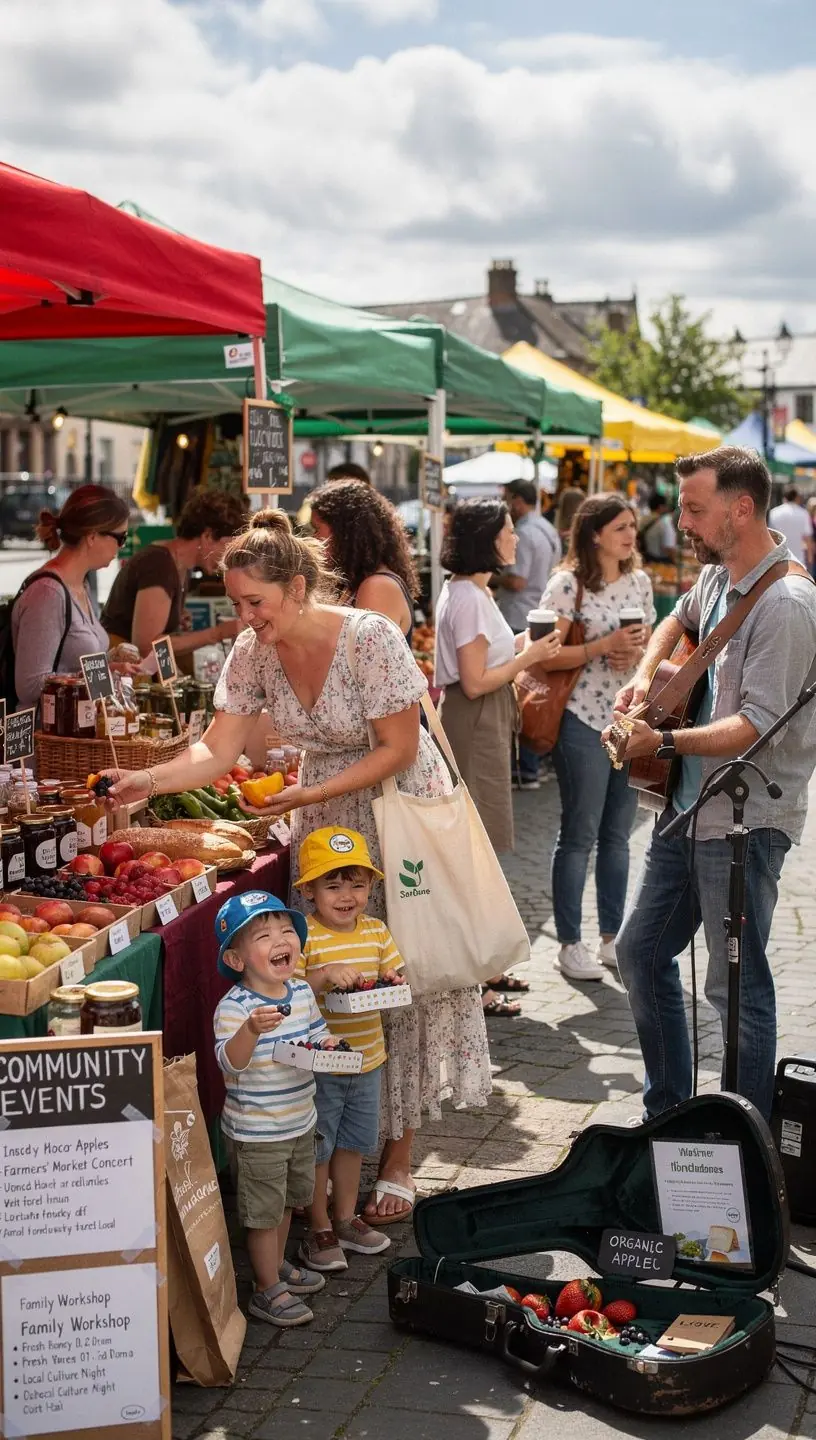
"Music brings people together, transcending cultural and linguistic barriers. This shared experience can lead to stronger community ties." - Community Development Research Journal
Benefits of Music-Centric Events
Implementing music-centric gatherings has several potential benefits for community engagement:
- Fostering Inclusivity: Music events often attract diverse groups, promoting cultural exchange and understanding. Research indicates that communities with inclusive musical offerings see a greater sense of belonging among members.
- Encouraging Participation: Engaging with music often encourages individuals to participate in other community activities. Many users report that attending music events leads them to join local clubs or volunteer.
- Enhancing Well-being: Studies show that music can have positive effects on mental health. Community members who regularly participate in musical activities often report lower stress levels and improved mood, contributing to an overall healthier community.
Creating Effective Music Events
To maximize the impact of music on community engagement, organizers should consider the following:
- Incorporate Variety: Offering different genres and styles can attract a broader audience, making the event more inclusive. Tailoring music selections to reflect the community's diversity can enhance participation.
- Provide Opportunities for Interaction: Consider integrating interactive elements such as open mic sessions or collaborative music-making. This approach encourages attendees to engage actively rather than just being passive listeners.
- Focus on Accessibility: Ensure that events are accessible to all community members, including those with disabilities. Offering events in public spaces can help reach a wider audience and promote inclusivity.
Challenges and Limitations
While music can significantly impact community engagement, it's essential to acknowledge potential challenges:
- Resource Limitations: Organizing music events typically requires funding, volunteer support, and planning time. Engaging local businesses or sponsors may help alleviate some of the financial burdens.
- Cultural Sensitivity: Music preferences can vary widely among community members. It is crucial to understand and respect these differences to avoid alienating any group. In most cases, consulting with community leaders can enhance the relevance of musical offerings.
Conclusion
In summary, music plays a vital role in fostering community engagement, offering a multitude of benefits from improved social connections to enhanced well-being. By understanding the dynamics at play and implementing thoughtful, inclusive practices, communities can harness the power of music to create stronger, more engaged populations. The journey of enhancing community ties through music requires careful planning and consideration but can lead to rewarding results.
Learn More