Understanding the Psychology of Group Activities in Events
Group activities at events can create memorable experiences and foster community. This article delves into the psychological principles that make group gatherings effective and enjoyable, providing insights useful for event planners and attendees alike.
Understanding the Basics
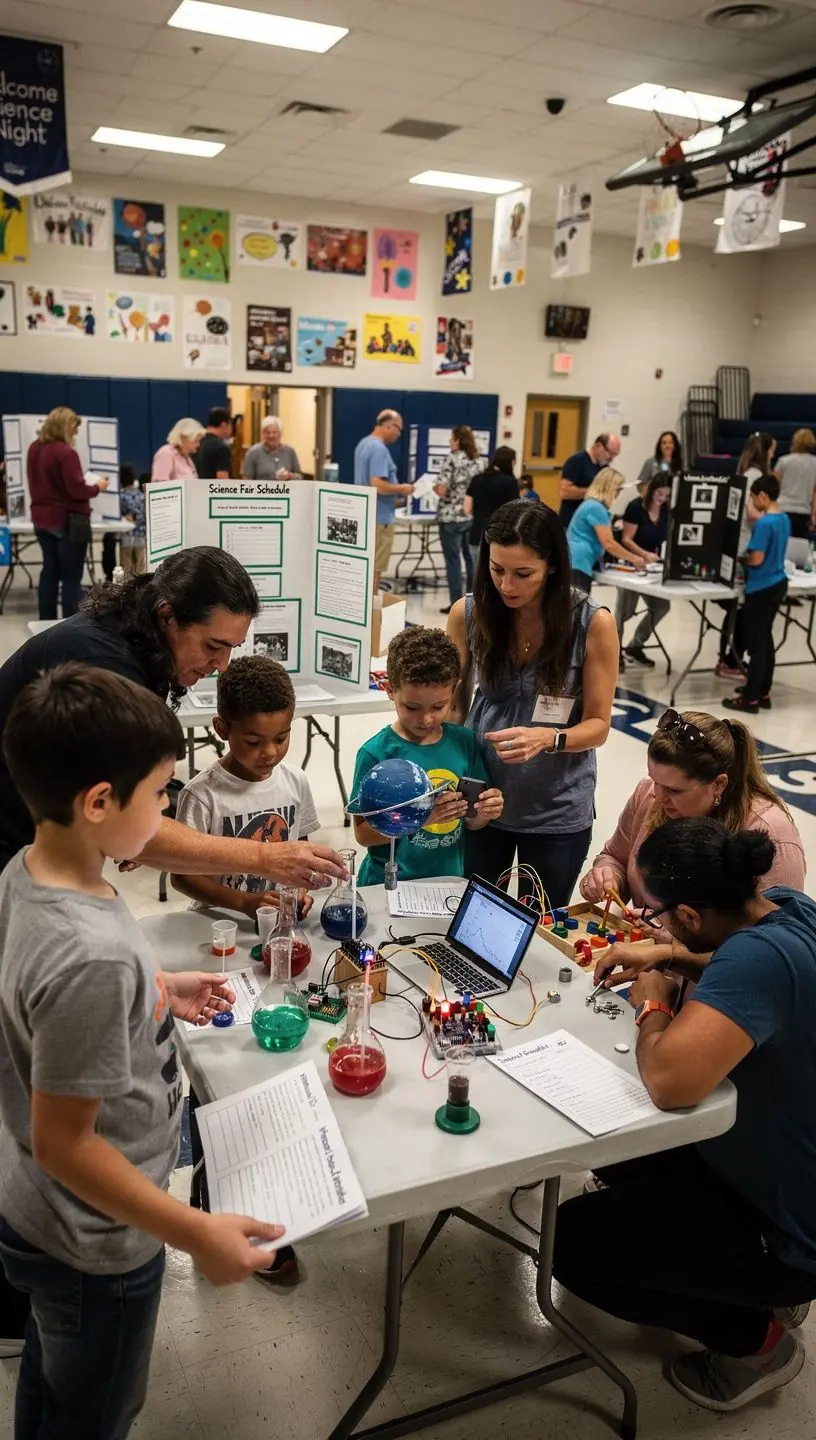
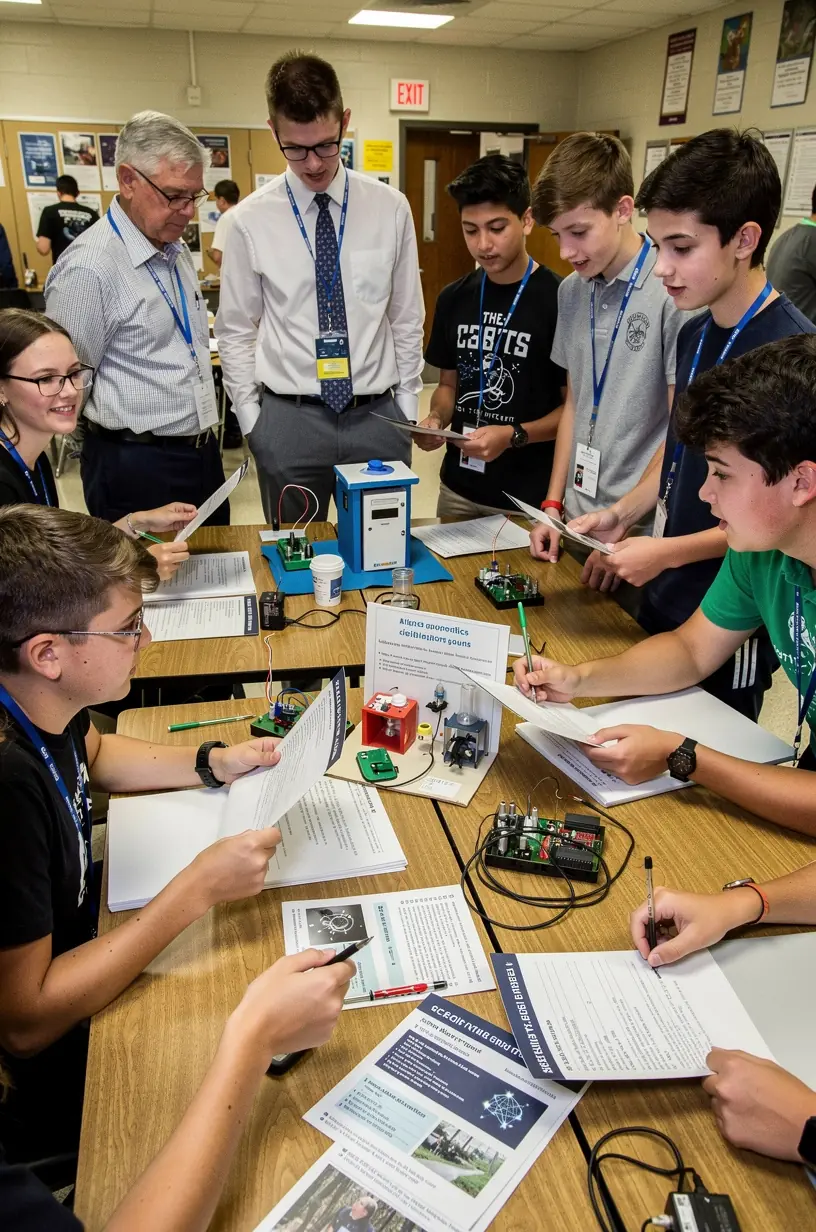
Group activities leverage several psychological principles that enhance social bonding and engagement. According to research in social psychology, shared experiences can lead to stronger connections among participants. For instance, studies show that when individuals participate in activities together, they often report higher levels of satisfaction and emotional well-being.

"Group activities can facilitate social bonds and improve individual happiness, a key insight backed by numerous psychological studies."
The Role of Social Identity
The concept of social identity plays a significant role in group dynamics. Individuals are often motivated to engage in group activities because they identify with the group’s values or objectives. This identification can lead to enhanced cooperation and participation. Many experts recommend creating activities that resonate with the target audience's interests and cultural backgrounds, as doing so may increase attendance and engagement.
Creating a Sense of Belonging
According to Maslow's hierarchy of needs, the need for belonging is a fundamental human motivation. Events that promote inclusivity and encourage participation can help satisfy this need. Effective strategies include:
- Encouraging interaction: Activities should be designed to foster communication, such as team challenges or collaborative games.
- Providing a welcoming environment: Ensuring that all participants feel valued can enhance their experience.
- Creating shared goals: Group challenges that require cooperation can strengthen the sense of community.
Engagement through Fun and Play
Fun is an essential element that can enhance learning and participation. Research indicates that enjoyable group activities often lead to better retention of information and skills. For instance, experts recommend incorporating elements of play in events to make learning more engaging. This can also reduce anxiety and create a more relaxed atmosphere, making it easier for individuals to connect.
Challenges and Considerations
While the benefits of group activities are significant, it is important to acknowledge potential challenges. Organizing successful events typically requires careful planning and consideration of:
- Time commitment: Activities should be well-timed to fit within the overall schedule, typically taking 1-2 hours.
- Diverse participants: Considerations for varied backgrounds and preferences are crucial; customization may be necessary.
- Facilitator skills: A skilled facilitator can dramatically affect group dynamics and engagement.
Conclusion
Group activities in events provide a rich opportunity to enhance social interactions and foster community ties. By understanding the underlying psychological principles and acknowledging potential challenges, organizers can create effective and enjoyable experiences. This thoughtful approach can lead to events that not only entertain but also build lasting connections among participants.